



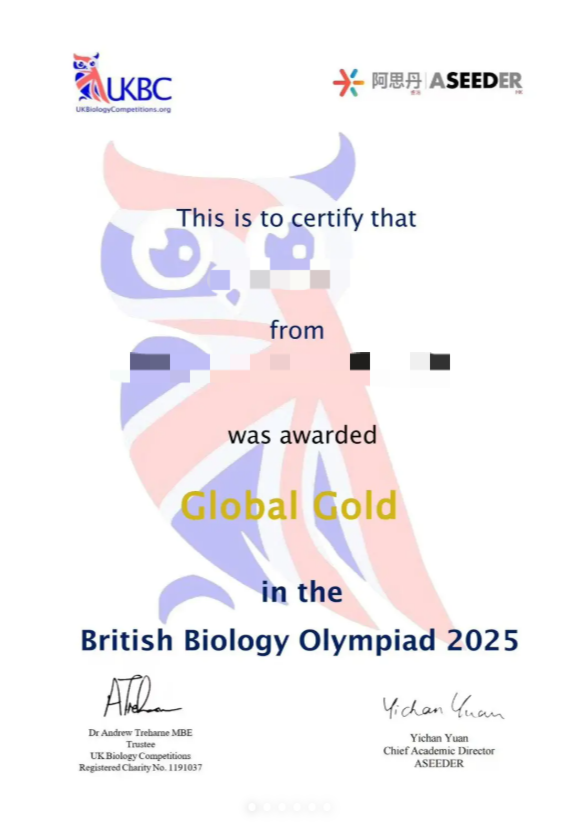
The International Biology Olympiad (IBO) isThe world's largest and most influential biology competition for secondary school studentsFounded in 1990, the International Science Olympiad (IBO) is jointly organized by education departments and scientific institutions from various countries. Held annually, it now covers more than 80 countries and regions. As an important member of the International Science Olympiad family, the IBO aims to build an academic exchange platform for young people around the world who love biology. Through fair competition, it showcases the biological literacy, research potential, and innovative thinking of secondary school students, and promotes the exchange and development of biology education in various countries.
The International Biology Olympiad (IBO), organized by the International Biology Olympiad Committee, covers over 100 countries and regions. Qualification requires multiple rounds of selection in each country, with only top students in biology making it to the finals. It assesses not only biological theory but also experimental skills and research thinking, with results directly reflecting a student's disciplinary depth and practical abilities. It is a significant advantage for applications to top overseas universities, especially for those applying to biology, medicine, and environmental science programs, significantly enhancing their competitiveness.
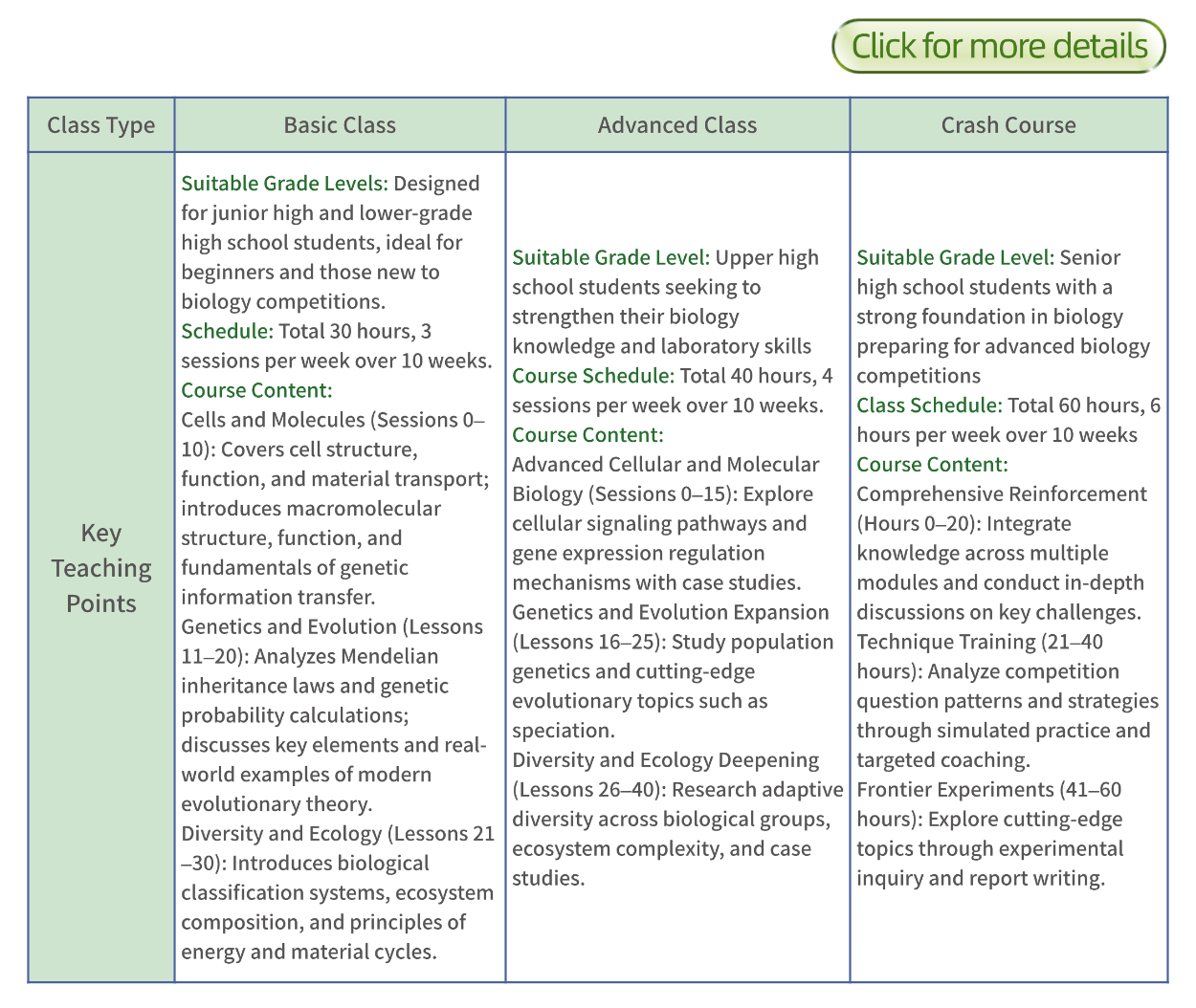
Rules of Academic Activities
Examination content
Cell Biology:
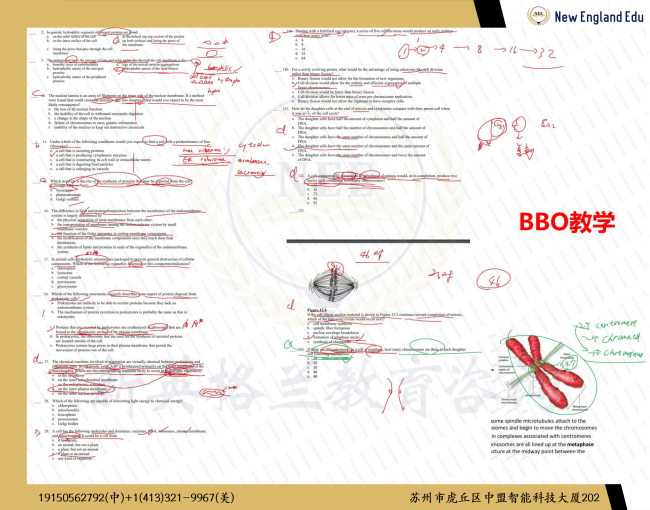
Cell structure and function, cell division (mitosis/meiosis), cell metabolism (photosynthesis, respiration), cell signal transduction, apoptosis, etc.
Genetics:
Mendel's laws of inheritance, the law of linkage and crossing over, sex-linked inheritance, gene mutation and chromosomal variation, population genetics, evolutionary genetics, etc.
Molecular Biology:
Nucleic acid structure and function, DNA replication and repair, transcription and translation, gene expression regulation, genetic engineering (PCR technology, gene editing, vector construction), etc.
Physiology:
Animal physiology (mechanisms of digestive, respiratory, circulatory, nervous, endocrine, and immune systems), plant physiology (photosynthesis, water metabolism, mineral nutrition, and growth regulation);
Evolution:
Darwin's theory of evolution, natural selection mechanisms, speciation, evolutionary evidence, and phylogenetic analysis.
NEEC's US Study Abroad Program welcomes you to join us. Learn more about the background of the East Coast University Visit and Study Camp program. The East Coast refers to…
SICNEEC Competition Registration: Introduction to the SIC Economics Competition. SIC, or the Secondary School Investment Challenge, is a competition for...