
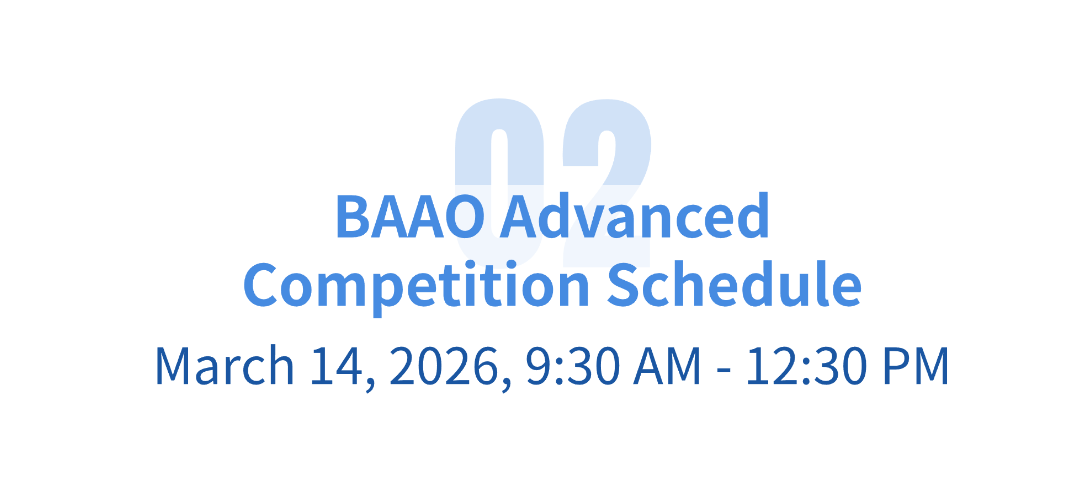
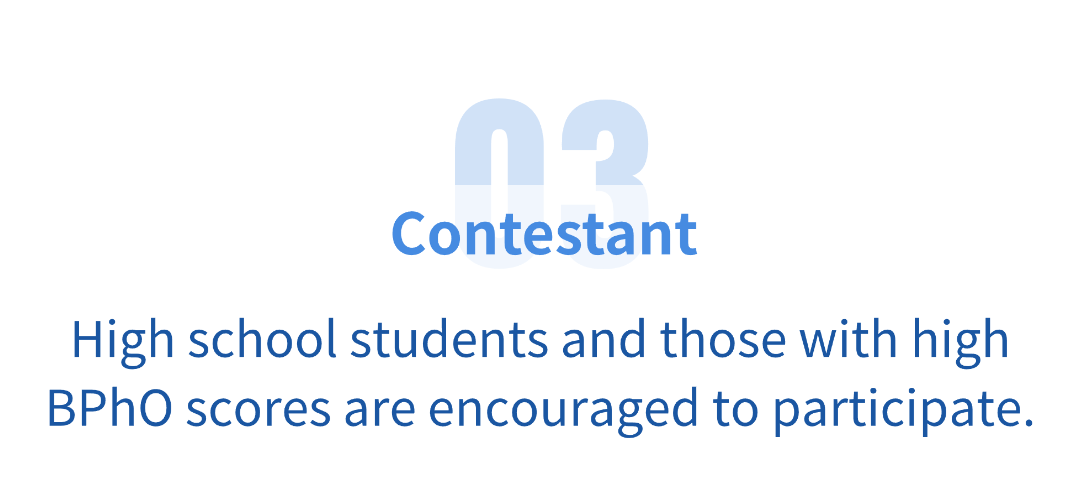
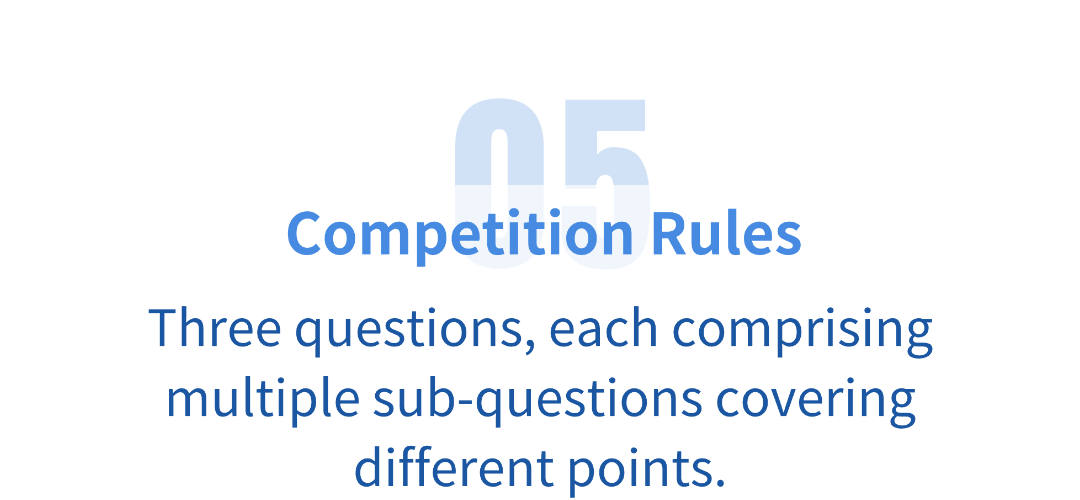


BAAO British Astronomy and Astrophysics Olympiad Introduction
The British Astronomy and Astrophysics Olympiad (BAAO) is the UK's highest-level astrophysics competition, co-sponsored by the University of Oxford, the Institute of Physics, and the Odgen Foundation. With its office located in the Department of Physics at Oxford University, BAAO is considered one of the world's leading astronomy competitions. The competition is open to high school students worldwide and is divided into junior (BAAO Junior) and advanced categories. Chinese students can register through partner institutions. The exam is a written exam entirely in English, covering modules such as celestial mechanics, stellar physics, and cosmology. It focuses on the application of physical principles to astronomical scenarios, with questions that combine theoretical depth with practical relevance.
As a competition jointly organized by the Department of Physics at the University of Oxford, the Institute of Physics, and the Odgen Foundation, its questions are led by the Oxford University Astronomy Research Team. After years of development, the competition has become a Tier 1 international competition, on par with the British Physics Olympiad (BPhO), and has become a core standard for measuring high school students' astrophysics literacy. BAAO results are an important reference for applications to G5 universities' STEM programs. Oxford University's Physics and Astronomy department explicitly lists it as a "recommended academic activity." For North American universities, top STEM institutions such as MIT and Caltech also recognize its academic value, offering opportunities to participate in the British National Astronomy Olympiad training camp and directly connect with top international research resources.
The focus is on understanding the properties and movements of celestial bodies in the solar system, such as the sun, planets, satellites, asteroids and comets.
Astrophysics theory and applications:
Gravity and celestial motion: mainly the application of Newton's law of universal gravitation in celestial motion.
Electromagnetic Radiation and Spectroscopy:
Students need to understand the generation mechanism and characteristics of various electromagnetic radiations emitted by celestial bodies (such as visible light, infrared, ultraviolet, radio, etc.), and how to study the chemical composition, temperature, speed and other physical quantities of celestial bodies through spectral analysis (such as absorption line and emission line spectra).
Practical problem solving and data analysis:
The competition will provide some actual astronomical observation data (such as the brightness change curve of celestial bodies, spectral data, position changes over time, etc.), and require students to use the astronomy and astrophysics knowledge they have learned to analyze and interpret them.
NEEC's US Study Abroad Program welcomes you to join us. Learn more about the background of the East Coast University Visit and Study Camp program. The East Coast refers to…
SICNEEC Competition Registration: Introduction to the SIC Economics Competition. SIC, or the Secondary School Investment Challenge, is a competition for...